One CGI asset, limitless possibilities

Modern brands no longer rely on one-time visuals. In today’s fast-moving digital landscape, brands need scalable content systems that can support e-commerce, campaigns, and social media simultaneously. This shift in content demand is one of the main reasons brands are moving away from traditional photography and toward CGI and 3D product visualization as the foundation of visual production.
Rather than producing visuals repeatedly, brands now build one high-quality CGI asset that can generate unlimited outputs. This approach delivers consistency, speed, and long-term efficiency that traditional production methods were never designed to provide.
Why brands are shifting from traditional shoots to CGI and 3D
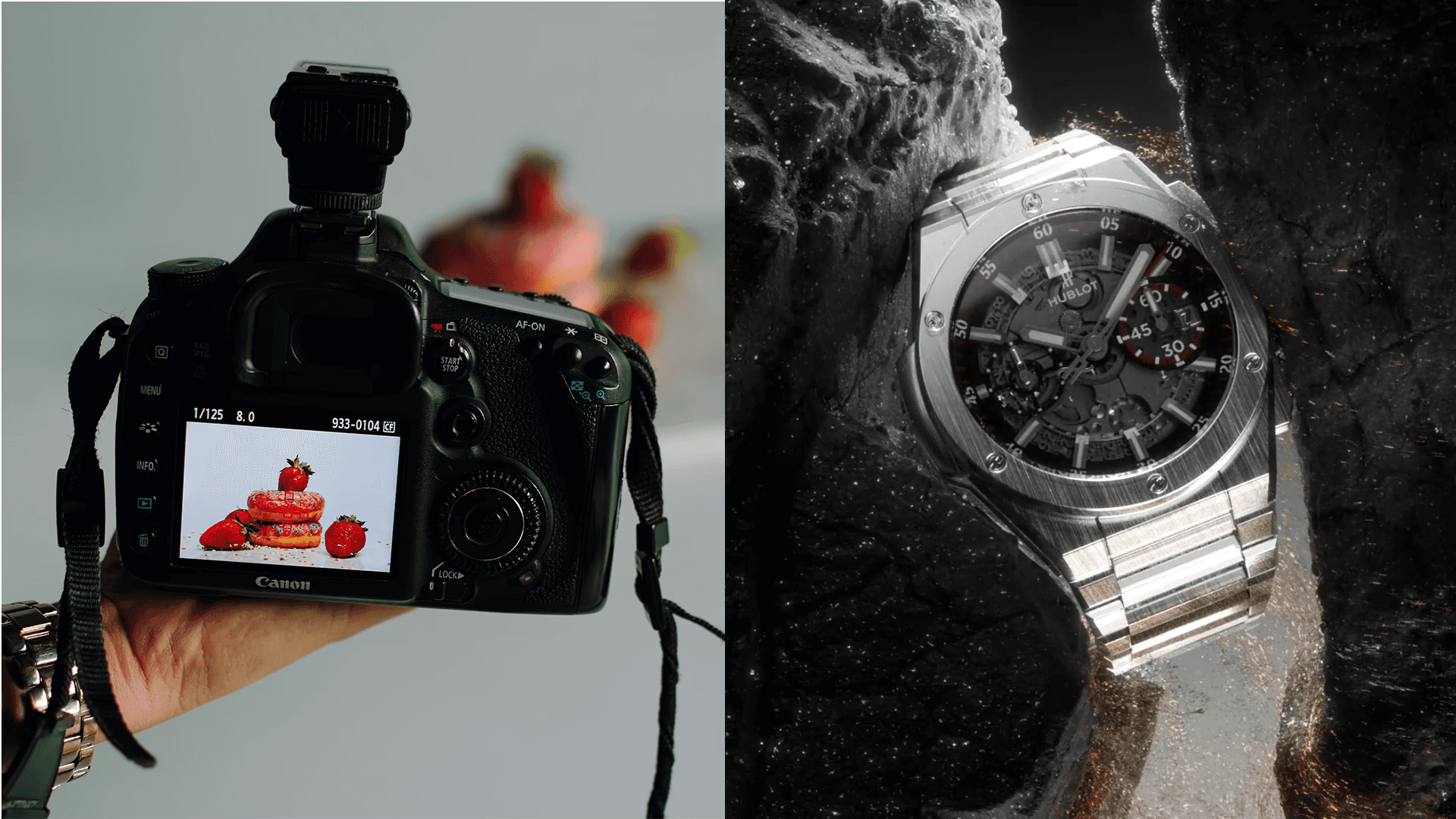
Traditional photo and video shoots are inherently linear. Each new product update, colorway, or campaign typically requires a new setup, new logistics, and new costs. Over time, this leads to slower timelines, higher budgets, and inconsistent visual results.
CGI changes the production logic entirely. Products are transformed into reusable digital assets rather than single-use visuals. Once a digital model exists, future variations are created through rendering adjustments instead of reshoots.
This production model aligns with modern content needs, where brands must move quickly, scale output, and adapt visuals across platforms without restarting the entire process.
What one CGI asset really means in 3D production
A CGI asset is not just a finished image. It is a high-fidelity digital twin of the product. Technically, it includes geometry, textures, material shaders, surface properties, and lighting logic.
This digital asset becomes the source of truth for all future visuals. Instead of rebuilding the product for every output, teams reuse and adapt the same asset across renders, animations, and campaigns.
Because changes are made at the data level—adjusting materials, colors, or finishes—brands gain long-term flexibility without sacrificing accuracy or realism. This is why CGI functions as a production system, not just a visual technique.
How one 3D file unlocks unlimited visual variations
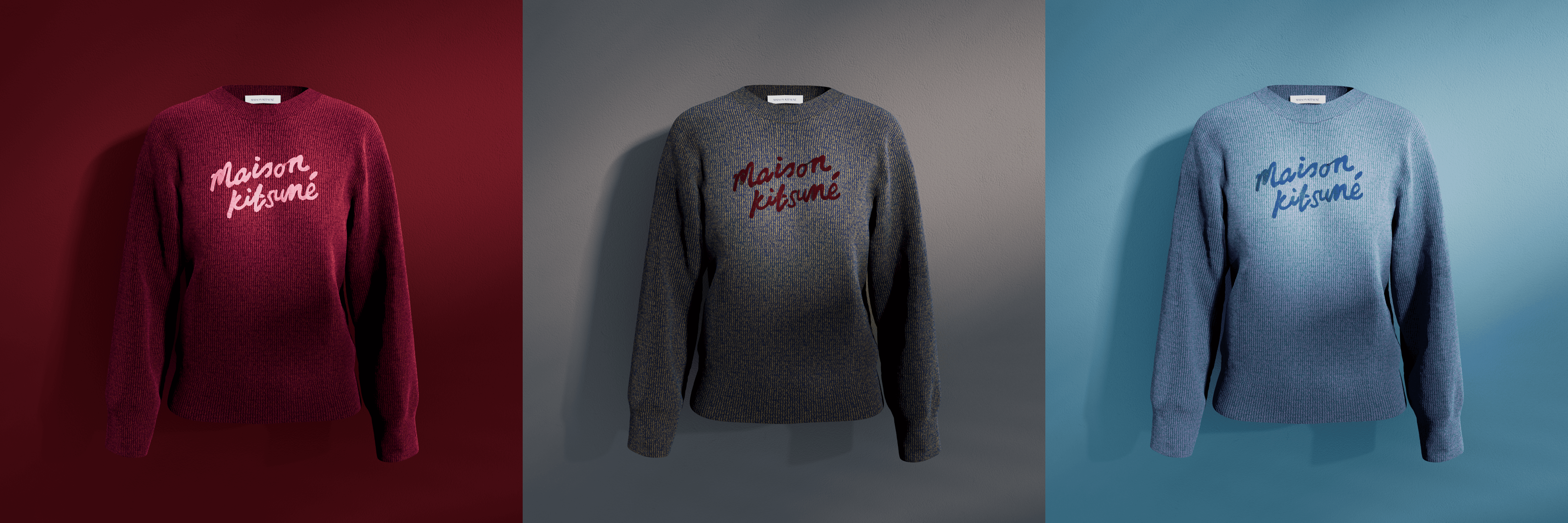
Once a 3D asset exists, variation becomes a technical process rather than a logistical one. Camera angles, focal lengths, environments, and lighting conditions can all be changed digitally without degrading quality.
Material finishes are controlled through shader parameters, allowing instant changes from matte to gloss, metal to plastic, or light to dark colorways. These adjustments generate new visuals without rebuilding the base model.
For brands with growing catalogs or frequent campaigns, this dramatically lowers cost per visual over time while increasing creative flexibility.
Where CGI assets create the most value
The real value of CGI appears when assets are deployed across an entire visual ecosystem. From one master 3D file, brands can efficiently produce:
multiple colorways and material finishes
seasonal and campaign-based visuals
product bundles and collections
e-commerce product renders
social media content
campaign hero images
Because every output originates from the same digital asset, visual consistency is preserved regardless of format or platform.
Why CGI is more efficient than traditional production
Traditional production relies on physical constraints: shipping products, building sets, scheduling studios, and coordinating reshoots. Each change adds time and cost.
CGI operates entirely within a digital pipeline. If a product update occurs, the 3D model is adjusted and re-rendered—no reshoot required. This makes timelines shorter, output more predictable, and iteration significantly faster.
As content volume increases, CGI becomes exponentially more efficient than traditional photography.
Consistency at scale with 3D and CGI
Maintaining visual consistency becomes increasingly difficult as brands scale. Different shoots, teams, and locations introduce subtle variations that weaken brand identity over time.
CGI eliminates this variability. Lighting setups, camera configurations, and rendering presets are standardized. Every visual follows the same rules for color accuracy, material response, and proportion.
Whether producing ten visuals or ten thousand, the brand look remains unified and controlled.
Using CGI and 3D assets before the product exists

One of the strongest strategic advantages of CGI is timing. Because visuals are built from digital models, brands do not need to wait for physical prototypes.
This allows CGI assets to be used for:
pre-launch marketing
investor and internal presentations
pre-order campaigns
early product validation and testing
Marketing timelines shorten, risk is reduced, and brands gain momentum before manufacturing even begins.
The long term SEO and business value of CGI
From a long-term business perspective, CGI functions as visual infrastructure. Assets can be reused, updated, and adapted without repeating production costs.
Product pages stay visually consistent, content updates happen faster, and visuals remain evergreen across platforms. Instead of paying repeatedly for new shoots, brands invest once in a 3D system that supports every future launch.
This turns CGI from a production expense into a long-term strategic asset.
Conclusion
One CGI asset unlocks unlimited possibilities. With 3D product visualization, brands gain scalability, consistency, and control across every visual touchpoint. Colorways, materials, campaigns, and formats all stem from a single digital foundation.
For modern brands that value speed, consistency, and long-term efficiency, CGI is no longer optional. It is the future of scalable visual production.
Ready to build a scalable CGI asset for your next product?
Visit gnmotion.co and let us help you transform one 3D file into unlimited visual possibilities.

