Ideas4 min read
How visual style draws the right audience
Your visual style filters your audience before your copy does. GN Motion on aligning CGI direction with the buyers you want.
In today’s digital landscape, brands are judged in seconds. Before people read copy or understand product features, they respond to visual signals. Research in visual attention and consumer perception shows that these first visual reactions strongly influence brand recognition, emotional response, and purchase intent.
This means visual style is not decoration. It is a selection mechanism. Visuals determine who notices a brand, who ignores it, and who feels psychologically aligned with it. As competition for attention increases, many brands turn to 3D and CGI not for novelty, but for control—control over perception, meaning, and audience relevance.
Visual style shapes who pays attention
Audiences do not analyze visuals consciously. Studies using eye-tracking and visual attention modeling show that attention is guided instinctively by visual cues before rational thought occurs.
Key elements that shape attention include:
- Color and contrast, which influence visibility and emotional tone
- Lighting and shadow, which signal quality, realism, and mood
- Composition and hierarchy, which determine where the eye lands first
- Spatial balance, which affects perceived credibility and professionalism
When these elements align with audience expectations, attention is sustained. When they do not, content is dismissed almost instantly. This is why visual style must be treated as a strategic attention system, not an aesthetic afterthought.
Your visuals decide who feels included
Visuals communicate social and cultural signals. Research on visual brand language and neuromarketing shows that people subconsciously evaluate whether a brand feels relevant to their identity, values, and lifestyle.
Materials, lighting quality, environmental context, and compositional order all contribute to this judgment. These signals shape whether a brand feels aspirational, accessible, technical, or exclusive.
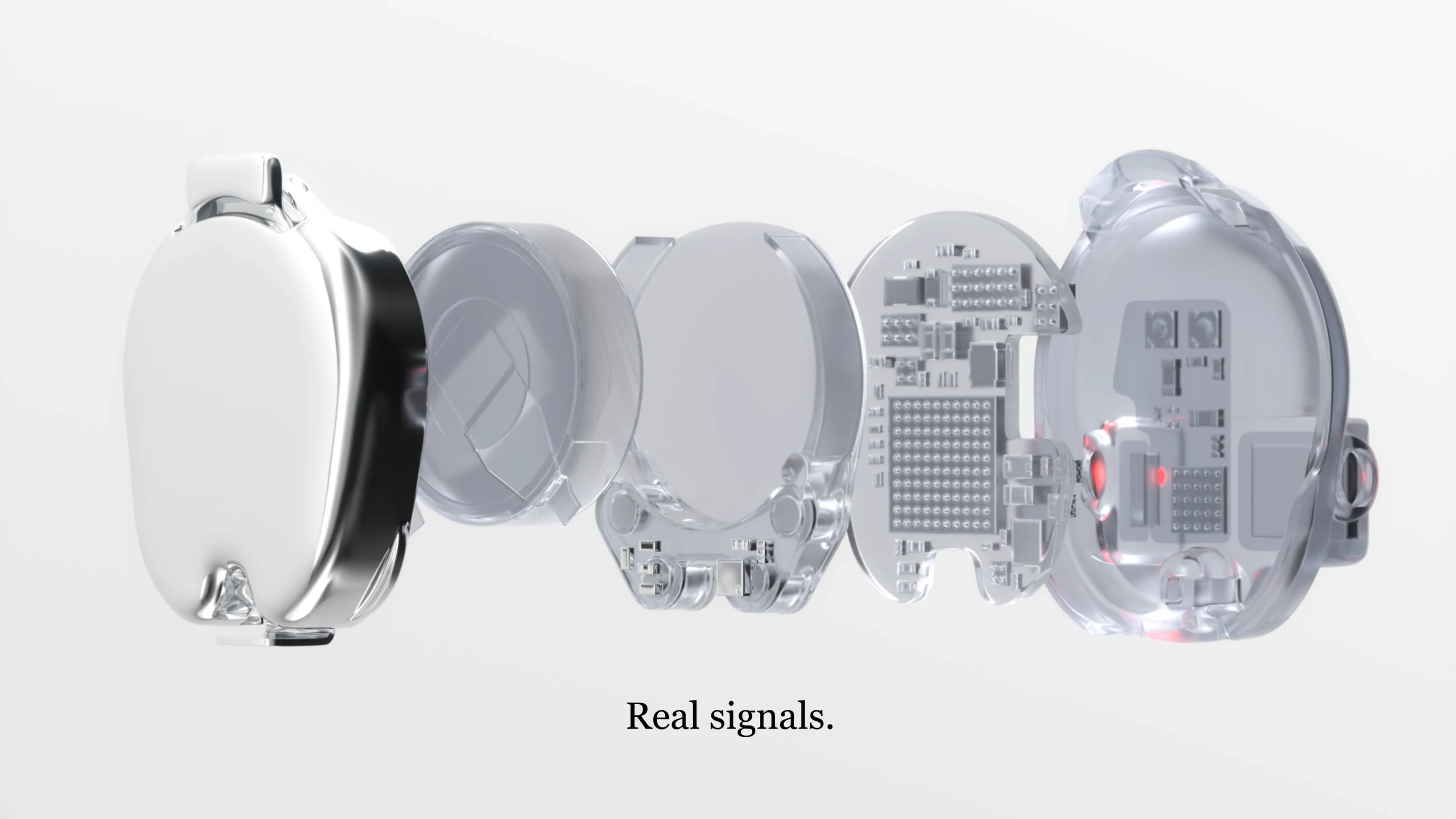
CGI enables brands to design these signals intentionally. Instead of relying on physical constraints, brands can construct visual environments that consistently speak to the audience they want to attract—before a single word is read.
Why generic visuals attract the wrong audience
Generic visuals attempt to appeal broadly, but research consistently shows that lack of visual distinction weakens brand recognition and trust. When brands look similar, audiences struggle to form meaningful associations.
This often results from inconsistent production: changing lighting styles, varied environments, or reliance on stock visuals. Over time, this erodes clarity and makes the brand blend into its category.
CGI solves this by establishing a controlled visual system. Lighting, materials, scale, and composition follow consistent rules, helping the right audience recognize the brand instantly and ignore irrelevant noise.
How CGI helps brands speak to the right audience
CGI shifts branding from documentation to intentional design. Instead of capturing reality as it is, brands construct visual experiences aligned with positioning and audience expectations.
With CGI, brands can:
- Define precise lighting and material behavior to signal quality and positioning
- Design environments that reflect lifestyle, values, and aspiration
- Control mood, scale, and atmosphere across all visuals
- Maintain consistency across campaigns and platforms
- Adapt content without diluting brand identity
These capabilities align with research in visual communication and computer graphics, which shows that controlled visual variables significantly improve clarity, relevance, and audience alignment.
Visual storytelling builds emotional connection

Psychological and neuroscience research shows that visual attention is closely tied to emotional response. People remember what they feel more than what they are told.
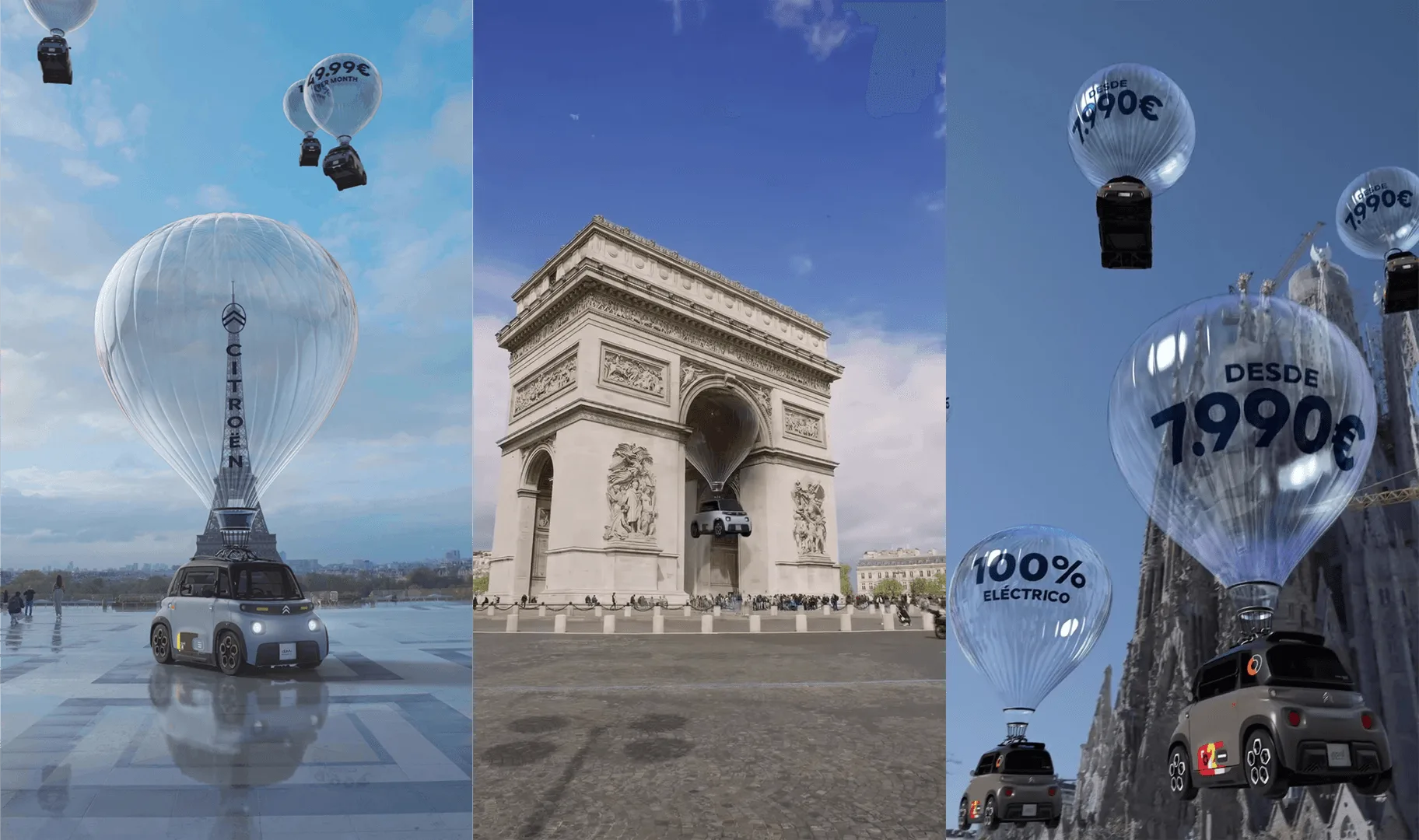
Visual storytelling works because it places products inside meaningful contexts. Instead of isolated objects, audiences see products as part of a narrative that reflects identity, lifestyle, and aspiration.
CGI strengthens this process by allowing brands to create emotionally resonant scenes without physical limitations. This deepens engagement and increases long-term memory of the brand.
CGI brings consistency across every touchpoint
Modern brands appear across many platforms simultaneously. Research shows that inconsistent visual presentation weakens recognition and trust, even when messaging stays the same.
CGI enables consistency at scale. A single 3D asset can support websites, campaigns, social media, and launches while preserving identical visual characteristics. Over time, this repetition reinforces brand memory and credibility.
Attracting the right audience is better than reaching everyone

Academic research in branding emphasizes relevance over reach. Broad exposure without alignment produces low engagement and weak conversion.
A focused visual style may reach fewer people, but it attracts those who recognize themselves in the brand’s visual language. These audiences show stronger trust, deeper engagement, and higher long-term value.
CGI supports this focus by making visual decisions intentional, repeatable, and aligned with long-term positioning rather than short-term visibility.
Conclusion
Brands do not attract audiences by accident. They attract them through visual systems that shape attention, emotion, and meaning.
Color, lighting, composition, and spatial design determine who notices a brand and who feels connected to it. CGI gives brands full control over these variables, allowing them to communicate clearly and consistently.
If a brand is being ignored or attracting the wrong audience, the issue is rarely the product itself. More often, it is the visual story being told.
Ready to refine your visual identity and attract the right audience with CGI?
Visit gnmotion.co and let us help you build visuals that connect with the people who matter most.