Guides3 min read
How do you choose a luxury CGI studio?
Materials that read as real, commissioned work in your category, art direction that protects your codes. What to check before you hire.
Judge a CGI studio on three things: materials that read as real (gold, glass, leather, gemstones), a reel with commissioned work in your category, and art direction that protects your brand's codes. Then ask who leads the idea, how reviews work, which formats are delivered, and who owns the source files.
What should the reel prove?
That the studio can make your materials look real, in work a brand actually commissioned.
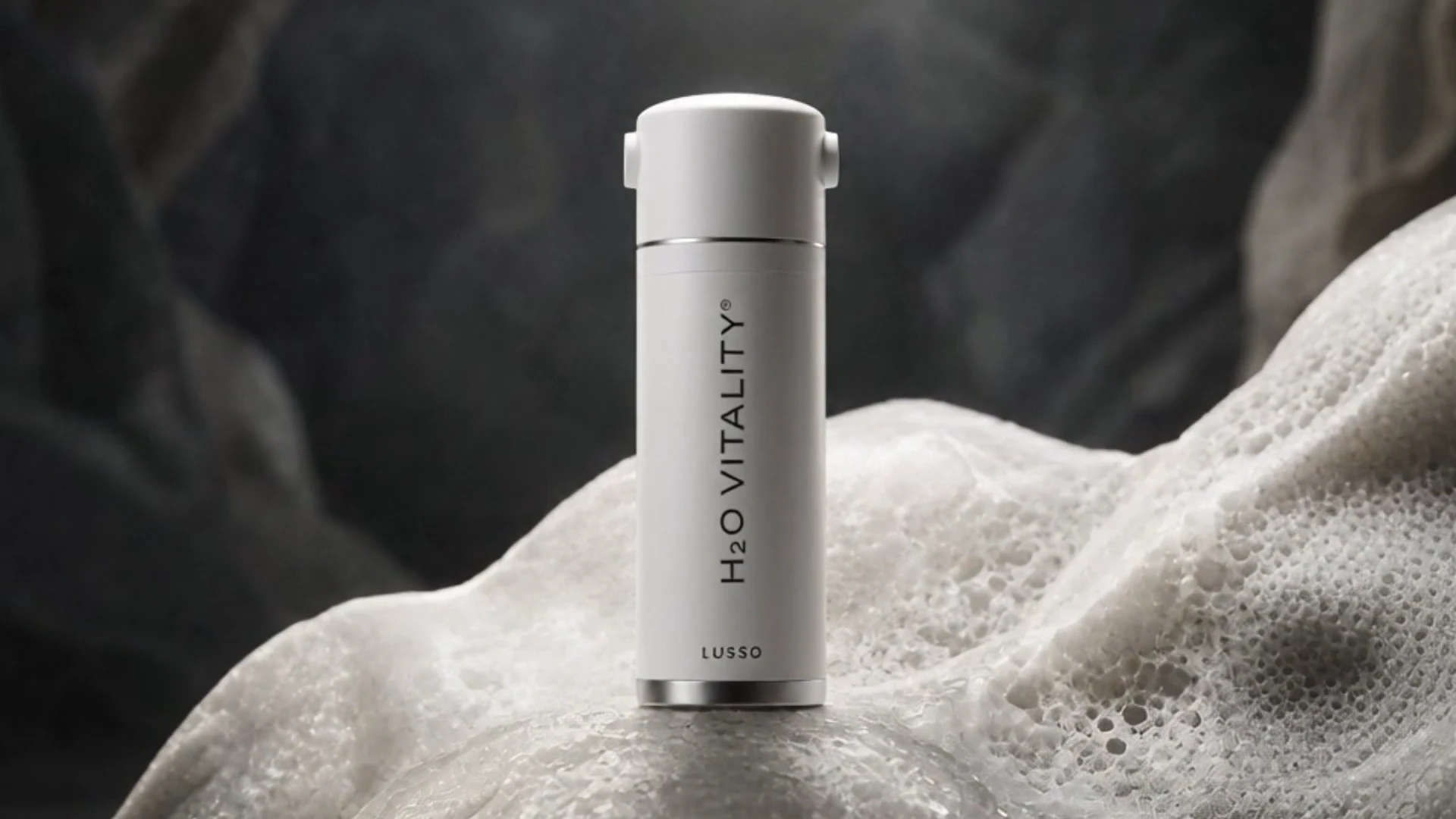
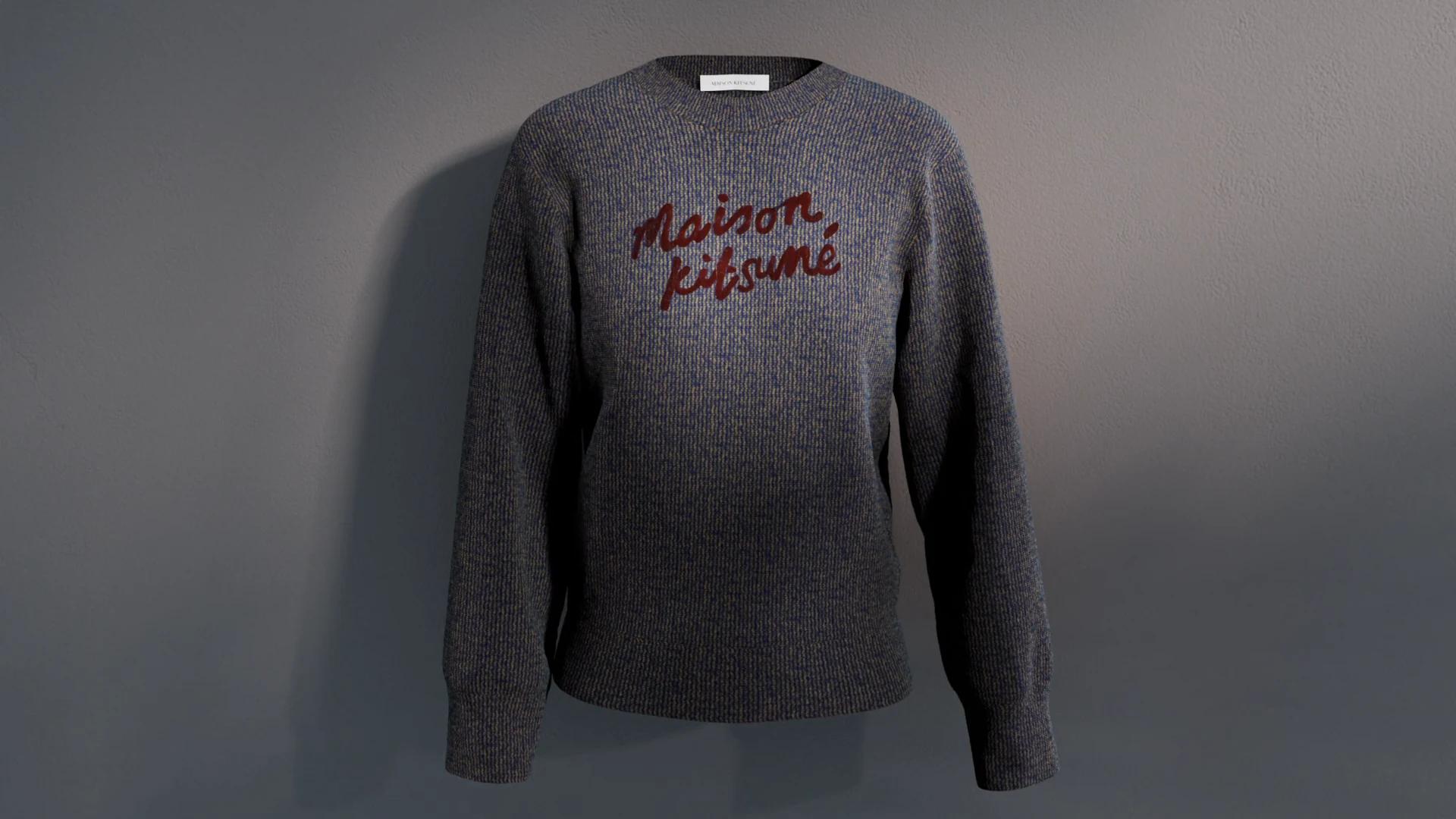
- Materials. Luxury lives in the surface: the weight of gold, the clarity of glass, the grain of leather, the fire of a stone. Look closely at close-ups, not wide shots. Edges, reflections and how light moves across a surface give a weak render away.
- Your category. A studio that has made a perfume film knows how liquid and glass behave. One that has made jewelry knows how a stone catches light. For Atelier VM, we built a deep blue flower that opens to reveal a jewel, so the piece reads as a discovery.
- Commissioned or self-initiated. Many reels mix client work with personal projects. Both show skill, but only commissioned work shows the studio can deliver for a brand, under a brand's review. A good studio labels the difference. Ours does: self-initiated projects are marked as such on each project page.
Who leads the idea?
Ask whether the studio brings concepts or only executes yours. Luxury films rarely sell the product directly; they sell a world. That world has to come from someone.
For Saiid Kobeisy's Fall Winter 2026 collection, the whole campaign was built on one idea: a snowbound glasshouse, couture, and a snow leopard in the shadows. For Rabanne's Christmas campaign, gold forms and flows into a festive scene, in the brand's codes of gold, black and sparkle. A studio that thinks like a creative agency gives you that idea before any frame is built.
What should you ask about the process?
- Concept and storyboard first. You should approve the idea and the shots before production starts.
- Review stages. Ask when you see work in progress: storyboard, first look at materials, animation, final. Late surprises cost the most.
- Brand codes. Ask how the studio checks colour, logo and product details against your guidelines and the real product.
- Formats. Agree on every format at the start: 16:9 for the website and screens, 9:16 for Reels and TikTok, 4:5 and 1:1 for the feed. Framing for each is planned in the scene, not cropped at the end.
What does a luxury CGI film cost, and how long does it take?
The budget follows the scope: the length of the film, the number of shots, the complexity of the materials and the formats you need. At GN Motion, a standard CGI film takes 1–3 weeks and a premium one 2–5 weeks. Production starts once a concept is approved and 50% of the budget is confirmed. The pricing page has the detail.
Be wary of a fixed price given before the studio has seen a brief. Two luxury films of the same length can differ a lot in work.
Who owns the files?
Settle it in writing before you start. Ask what you receive at the end: the final films only, or also stills, the 3D models and the scene files. Owning the product model lets you reuse it for the next campaign, for e-commerce stills or for a new format, without starting again.
Which red flags should you watch for?
- A reel of short, isolated renders with no finished film.
- No commissioned work in your category, or personal projects presented as client work.
- Materials that look right in a wide shot but fall apart in a close-up.
- No concept stage: the studio goes straight to production.
- Vague answers about formats, review stages or file ownership.
To see how we work on luxury products, browse our luxury and fashion work, visit our CGI studio page or read how to make a product feel premium with CGI.