Guides3 min read
In-house creative team or a studio on retainer?
What an in-house 3D team really takes to run, what a studio on retainer gives you instead, and when each one is the right call.
Build an in-house team when you need people inside the company every day, on many kinds of work. Choose a studio on retainer when you need CGI films and 3D content all year without hiring and equipping a 3D team: one external team keeps your art direction, your assets and the same people from one film to the next.
What does an in-house 3D team take to run?
More than one hire. A CGI product film draws on several specialisms, and a team that can make one end to end needs most of them:
- People. Modelling, look development, animation, simulation, lighting and compositing are distinct skills, rarely held by one artist at a high level.
- Tools. 3D, simulation and compositing software licences, plus plugins and asset libraries.
- Render power. Workstations and render hardware, or a cloud render budget for every heavy film.
- Recruitment and management. Time to find, onboard and lead the team, and to keep its skills current.
- Uneven workload. Launches come in waves. Between them, a full-time team still costs the same; at peaks, it may not be big enough.
None of this is a reason against in-house. It is the cost to weigh against what the team will produce in a year.
What does a studio on retainer give you?
The continuity of an in-house team without building one.
- The same team, film after film. The people who made your last film make the next one, so they already know your products, your codes and what was approved.
- The same assets. Product models, materials and scenes are kept and reused, so a seasonal film or a new colourway starts from what exists.
- Capacity that follows your calendar. More films around a launch, fewer between campaigns, without hiring or letting anyone go.
- One art direction. Every piece stays consistent with the last, across films, social loops and stills.
When is an in-house team the better choice?
- Daily, small requests from many departments, where someone has to be on hand every hour.
- Work tied to internal systems or confidential products that cannot leave the building.
- Mostly non-3D work, such as design, editing and social posting, where 3D is occasional.
Many brands do both: an in-house brand team owns the calendar and the brief, and a studio on retainer makes the CGI.
What does long-term work with a studio look like?
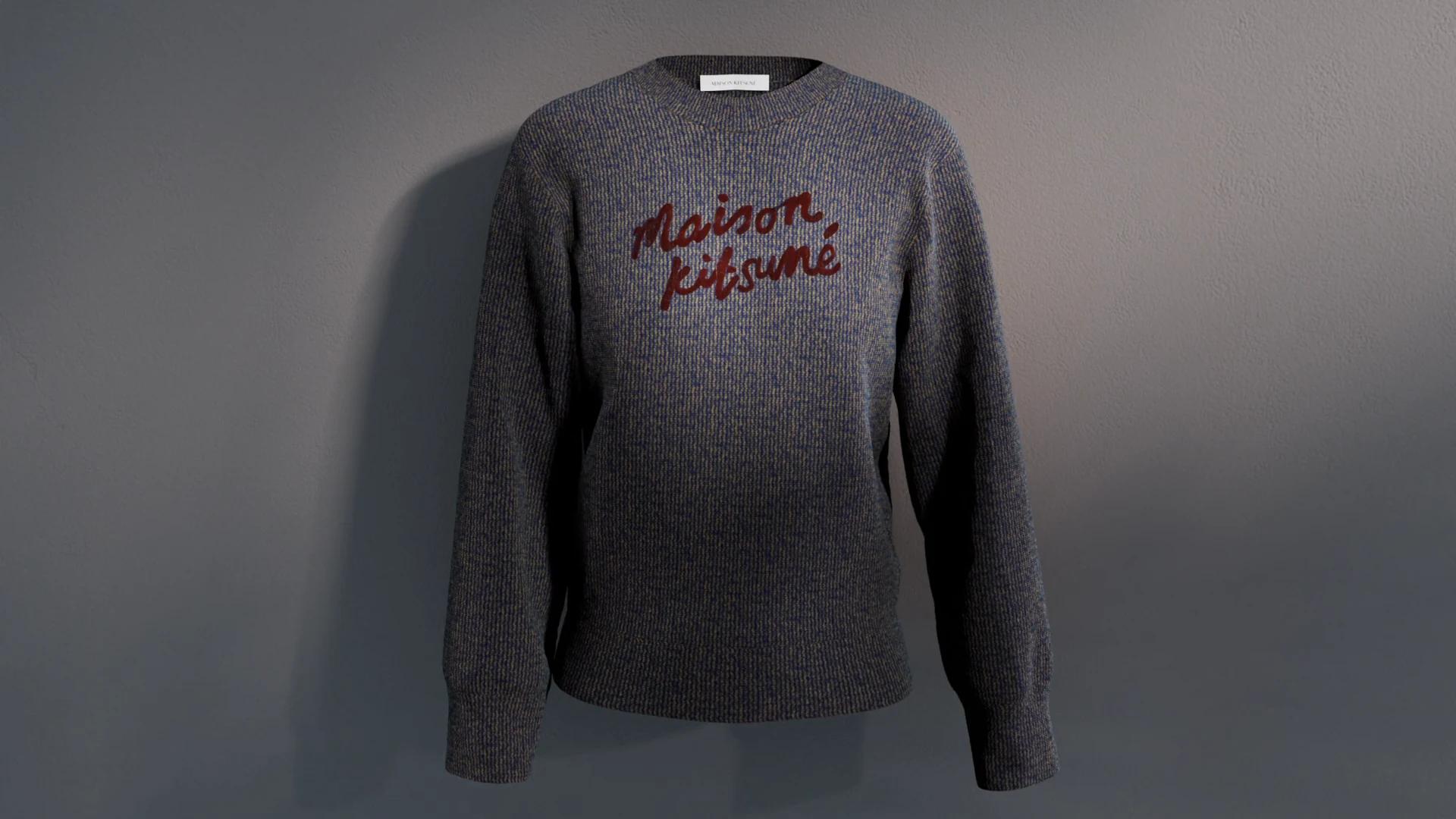
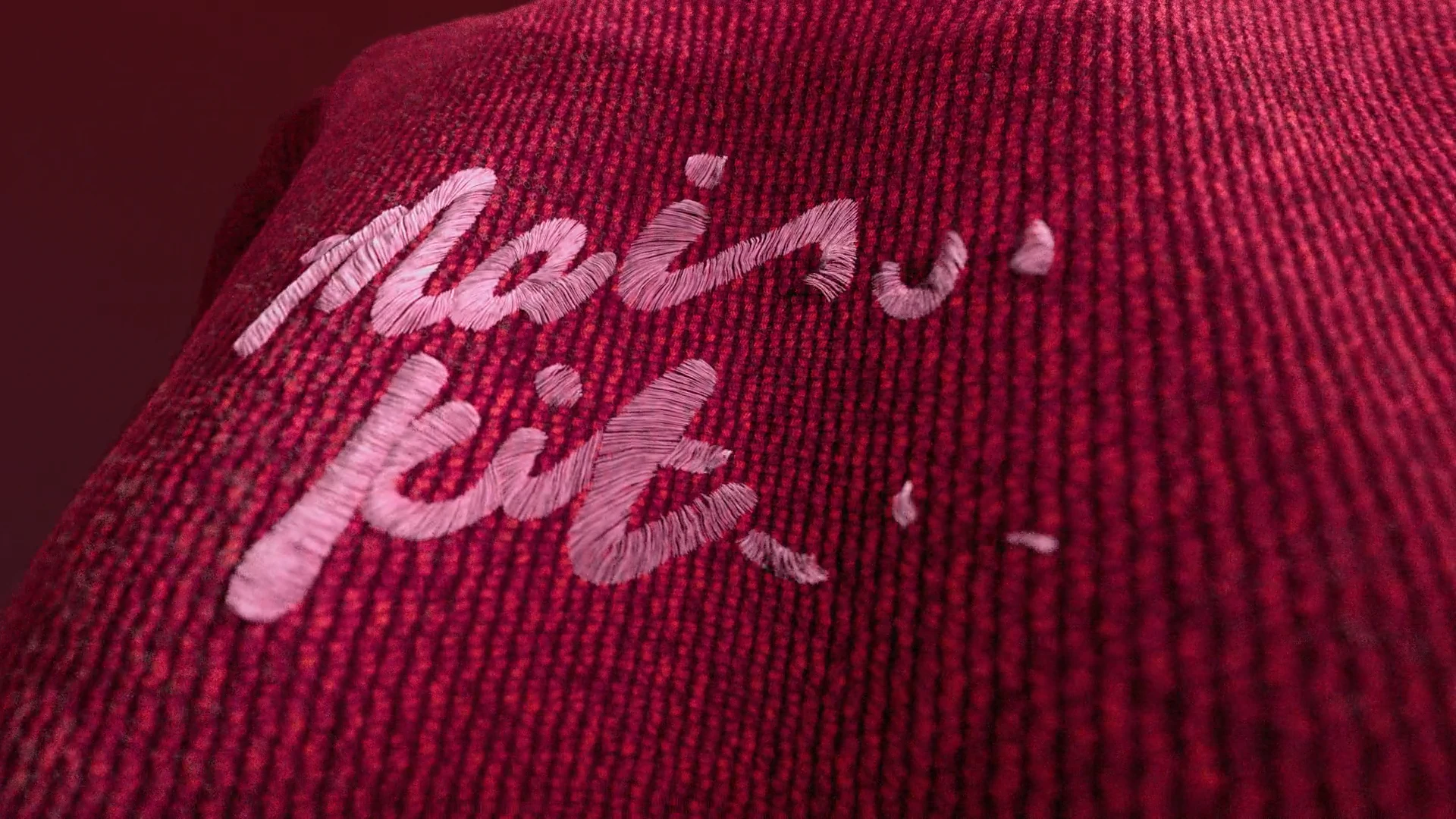
Café Kitsuné keeps coming back to GN Motion for new films. For its Black Friday campaign, fabric simulation brings the logo to life across textures, colours and shirt designs. For the launch of a new matcha, fluid matcha forms swirl around the tin in a surreal reveal. Logo animations explore knitting and stitching techniques.
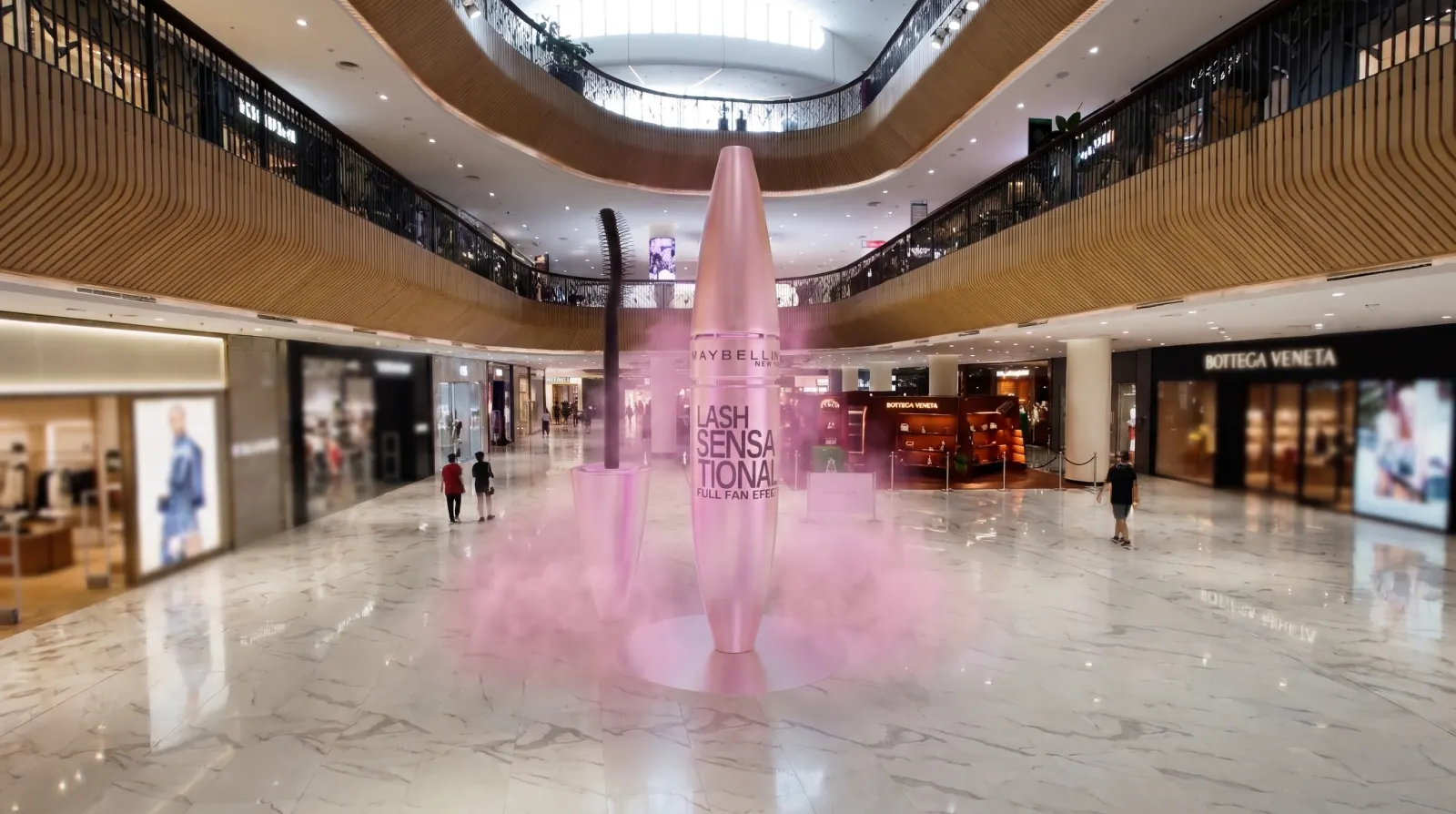
L'Oréal and Ole Henriksen also have several projects with the studio: L'Oréal's Double 11 campaign gives each product its own world in one look, and Ole Henriksen's magical garden runs through two playful films for a lip product.
See how GN Motion works as your in-house creative team on retainer, or every order on the Café Kitsuné client page.